- Dental calculus (tartar) is hardened plaque that cannot be removed by brushing alone — only professional cleaning can safely remove it.
- Left untreated, calculus leads to gingivitis, periodontitis, tooth loss, and is linked to increased cardiovascular risk.
- There are two types: supragingival (visible, above the gumline) and subgingival (hidden, below the gumline — more dangerous).
- Professional cleaning takes 30–45 minutes and is painless with modern ultrasonic scalers.
- Dentists recommend professional calculus removal every 6 months — or every 3–4 months for patients with a history of gum disease.
What Is Dental Calculus?
Dental calculus — commonly called tartar — is mineralised dental plaque that has hardened on the surface of teeth. When plaque (a sticky biofilm of bacteria, food particles, and saliva proteins) is not removed through daily brushing and flossing, it begins to calcify within 24–72 hours. Once fully mineralised, calculus bonds firmly to tooth enamel and can only be removed by a dental professional.
According to a systematic review published in the Journal of Clinical Periodontology (Figuero et al., 2017), approximately 68% of adults worldwide have some form of calculus deposits. The mineralisation process involves calcium and phosphate ions from saliva crystallising within the plaque matrix, creating a structure that is roughly 70–80% inorganic mineral by weight.
“Many patients come to us believing they can remove calculus with vigorous brushing or home remedies. The reality is that once plaque has mineralised into calculus, it forms a bond with the tooth surface that requires professional instruments to break. Attempting home removal risks damaging enamel and injuring gum tissue.”
— Dr. Telman Iskender, Lead Dentist at Stom Dental Centre (20+ years clinical experience)
How Does Dental Calculus Form? The 4-Stage Process
Understanding how calculus develops helps explain why prevention is far easier than treatment:
Stage 1 — Pellicle Formation (0–4 hours): Within minutes of eating or brushing, a thin protein film (acquired pellicle) forms on tooth surfaces. This film is harmless but provides an attachment surface for bacteria.
Stage 2 — Early Plaque (4–24 hours): Bacteria colonise the pellicle, forming a soft, removable biofilm. At this stage, thorough brushing and flossing can completely remove it.
Stage 3 — Mature Plaque (1–14 days): The bacterial community matures and produces a protective matrix. The plaque becomes more resistant to removal but is still soft enough to be brushed away with proper technique.
Stage 4 — Calculus Formation (14+ days): Calcium and phosphate ions from saliva penetrate the plaque matrix, causing mineralisation. The deposit hardens progressively, forming calculus that is firmly attached to the tooth surface. At this point, only professional scaling can remove it.
Types of Dental Calculus
Dental professionals classify calculus into two distinct types based on location, each with different clinical implications:
| Feature | Supragingival Calculus | Subgingival Calculus |
|---|---|---|
| Location | Above the gumline, visible | Below the gumline, hidden |
| Colour | Yellow to white | Dark brown to black |
| Common Sites | Lower front teeth (lingual), upper molars (buccal) | Root surfaces, periodontal pockets |
| Detection | Visual inspection | Dental probe, X-ray |
| Health Risk | Moderate — causes staining, gingivitis | High — causes periodontitis, bone loss, tooth loss |
| Removal | Ultrasonic scaling (routine) | Root planing / curettage (specialist) |
Signs and Symptoms: How to Know If You Have Calculus
While only a dental professional can definitively diagnose calculus, these signs indicate its likely presence:
- Visible deposits: Yellow, brown, or white crusty buildup, especially behind lower front teeth
- Bleeding gums: Gums that bleed during brushing or flossing (early gingivitis)
- Persistent bad breath (halitosis) that does not improve with brushing
- Gum recession: Gums pulling away from teeth, exposing root surfaces
- Tooth sensitivity: Increased sensitivity to hot, cold, or sweet foods
- Rough texture: A rough feeling on tooth surfaces that you can detect with your tongue
- Discolouration: Teeth appearing darker near the gumline
Health Risks of Untreated Dental Calculus
Dental calculus is not merely a cosmetic issue. Research consistently links untreated calculus to serious health consequences:
Oral Health Risks
- Gingivitis → Periodontitis: The bacteria harboured in calculus produce toxins that cause chronic gum inflammation. If untreated, gingivitis progresses to periodontitis — the leading cause of tooth loss in adults (WHO, 2022).
- Bone Loss: Subgingival calculus triggers an immune response that gradually destroys the alveolar bone supporting teeth.
- Tooth Loss: Advanced periodontitis can lead to tooth mobility and eventual loss. Globally, severe periodontitis affects approximately 19% of adults over age 35 (GBD 2019 study).
- Dental Caries: Calculus creates sheltered environments where acid-producing bacteria thrive, increasing cavity risk.
Systemic Health Risks
A growing body of research links periodontal bacteria (harboured in calculus) to systemic conditions:
- Cardiovascular Disease: A meta-analysis in the Journal of the American Heart Association (2016) found that periodontitis increases cardiovascular risk by 20–30%.
- Diabetes: Periodontal disease and diabetes have a bidirectional relationship — each worsens the other (Preshaw et al., Diabetologia, 2012).
- Respiratory Infections: Oral bacteria can be aspirated into the lungs, increasing pneumonia risk in elderly patients.
- Adverse Pregnancy Outcomes: Several studies associate untreated periodontal disease with preterm birth and low birth weight.
Concerned about calculus buildup?
Send a photo of your teeth via WhatsApp and get a free assessment from Dr. Telman within 24 hours.
No obligation. Response within 24 hours.
Professional Calculus Removal: What to Expect
Professional dental calculus removal (scaling) is a routine, painless procedure performed by dentists or dental hygienists. Here is what the procedure involves at our clinic:
Step 1: Examination and Assessment
A thorough examination of your teeth and gums, including measurement of periodontal pocket depths. If subgingival calculus is suspected, a dental X-ray may be taken to assess the extent of deposits and any bone loss.
Step 2: Ultrasonic Scaling
An ultrasonic scaler uses high-frequency vibrations combined with a water spray to break apart calculus deposits. This method is faster and more comfortable than traditional hand scaling. The water spray simultaneously flushes away debris and keeps the tooth surface cool.
Step 3: Hand Scaling (If Needed)
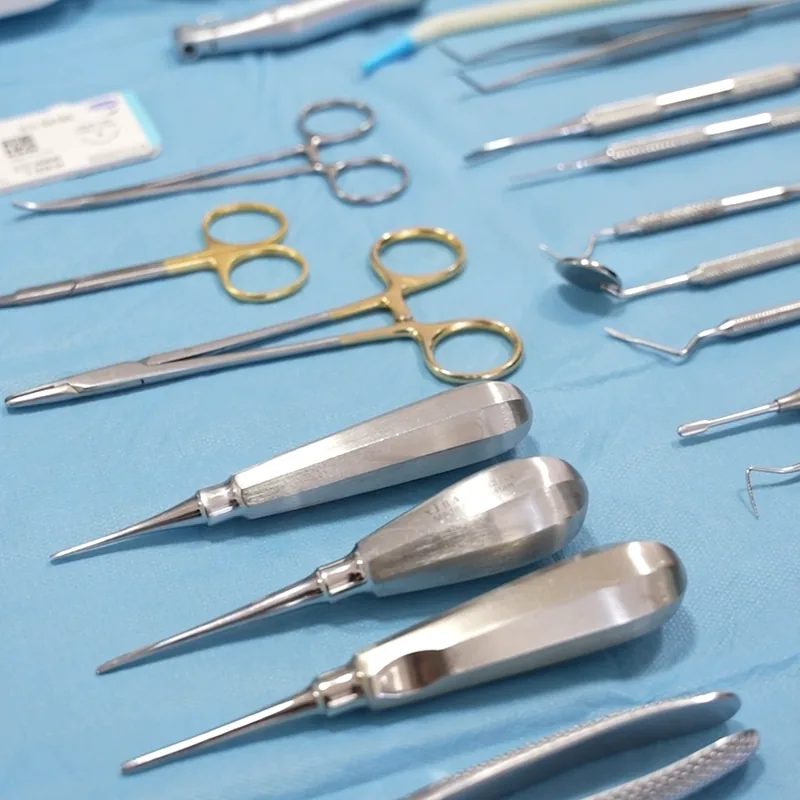
For stubborn deposits or areas requiring precision work (especially subgingival), the dentist uses hand instruments (curettes and scalers) to carefully remove remaining calculus from tooth and root surfaces.
Step 4: Root Planing (For Subgingival Calculus)
If calculus has extended below the gumline, root planing smooths the root surfaces. This removes embedded bacteria and creates a clean surface that allows gum tissue to reattach to the tooth.
Step 5: Polishing
After scaling, teeth are polished with a mildly abrasive paste to remove surface stains and create a smooth surface that resists future plaque accumulation.
Duration: 30–45 minutes for routine scaling | 60–90 minutes if root planing is required
Anaesthesia: Usually not needed. Local anaesthesia available for sensitive patients or deep subgingival work.
Recovery: Immediate — you can eat normally within 1–2 hours. Mild sensitivity for 1–3 days is normal.

Dental Calculus Removal at Home: What Works and What Does Not
Many patients search for ways to remove dental calculus at home. Here is what the evidence says:
Does NOT Remove Existing Calculus
- Baking soda: Mildly abrasive, helpful for removing surface stains but cannot break the mineral bond of calculus to enamel
- Oil pulling: No clinical evidence supports calculus removal (Cochrane Review, 2020)
- Apple cider vinegar: Acidic enough to damage enamel but not effective against calculus — may cause more harm than good
- Home scaling tools: Available online but using them without training risks enamel damage, gum injury, and pushing bacteria deeper below the gumline
Can Help PREVENT New Calculus Formation
- Electric toothbrush: Studies show 21% greater plaque removal vs. manual brushing (Robinson et al., Cochrane Database, 2014)
- Anti-tartar toothpaste: Contains pyrophosphates that inhibit crystal growth in plaque, reducing calculus formation by up to 36%
- Daily flossing: Removes plaque from interdental spaces where calculus commonly forms
- Antibacterial mouthwash: Reduces bacterial load but does not replace mechanical cleaning
How to Prevent Dental Calculus: 7 Evidence-Based Tips
- Brush twice daily for 2 minutes — Use a soft-bristled or electric toothbrush. Pay special attention to the inner surfaces of lower front teeth and outer surfaces of upper molars (where calculus forms most frequently).
- Floss daily — Interdental cleaning removes plaque from areas your toothbrush cannot reach. Interdental brushes are equally effective for larger gaps.
- Use anti-tartar toothpaste — Products containing pyrophosphates or zinc citrate have been clinically shown to reduce calculus formation.
- Rinse with antibacterial mouthwash — Chlorhexidine or cetylpyridinium chloride (CPC) based rinses reduce bacterial load significantly.
- Stay hydrated — Adequate water intake promotes saliva production, which naturally cleanses teeth and provides minerals for remineralisation.
- Limit sugary and starchy foods — These feed acid-producing bacteria that form the biofilm leading to calculus.
- Schedule professional cleanings every 6 months — Even with excellent home care, most people develop some calculus. Regular professional cleaning prevents accumulation and catches early gum disease.
How Often Should You Get Professional Calculus Cleaning?
The recommended frequency depends on your individual risk profile:
| Patient Profile | Recommended Frequency | Why |
|---|---|---|
| Healthy gums, minimal buildup | Every 6 months | Standard maintenance |
| History of gum disease | Every 3–4 months | Prevent recurrence |
| Smokers | Every 3–4 months | Higher calculus formation rate |
| Diabetes patients | Every 3–4 months | Increased periodontal risk |
| Orthodontic patients (braces) | Every 3–4 months | Brackets trap more plaque |
Cost of Dental Calculus Cleaning: Turkey vs. UK vs. Germany
One of the reasons patients from across Europe choose Turkey for dental treatments — including routine procedures like calculus cleaning — is the significant cost difference without compromising quality:
| Procedure | Turkey (Antalya) | United Kingdom | Germany |
|---|---|---|---|
| Routine Scaling | €40–80 | €80–180 | €80–150 |
| Deep Scaling + Root Planing | €80–200 | €250–600 | €200–500 |
| Full Mouth Deep Cleaning | €150–350 | €500–1,200 | €400–1,000 |
These prices reflect the lower operating costs in Turkey, not lower quality. At Stom Dental Centre, we use the same equipment and materials as clinics in Western Europe — including EMS Airflow systems and Hu-Friedy instruments.
Get a Free Treatment Plan
Planning dental treatment in Antalya?
Get a free, no-obligation assessment from our clinical team — we reply within 24 hours.
Send your dental X-ray via WhatsApp for a personalised treatment plan with transparent pricing. No hidden fees.
Dr. Telman responds personally within 24 hours.
Before and After: Real Calculus Cleaning Results
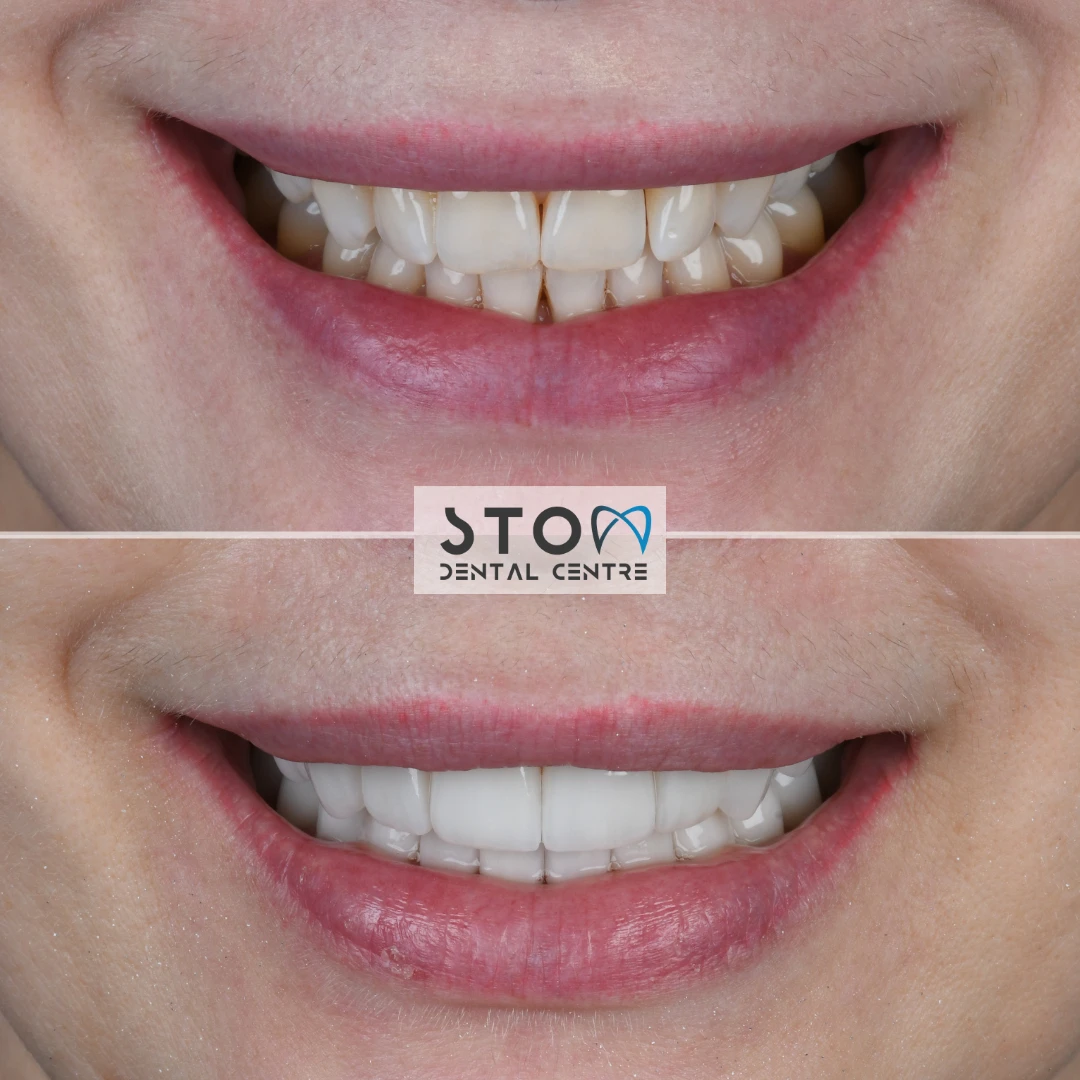
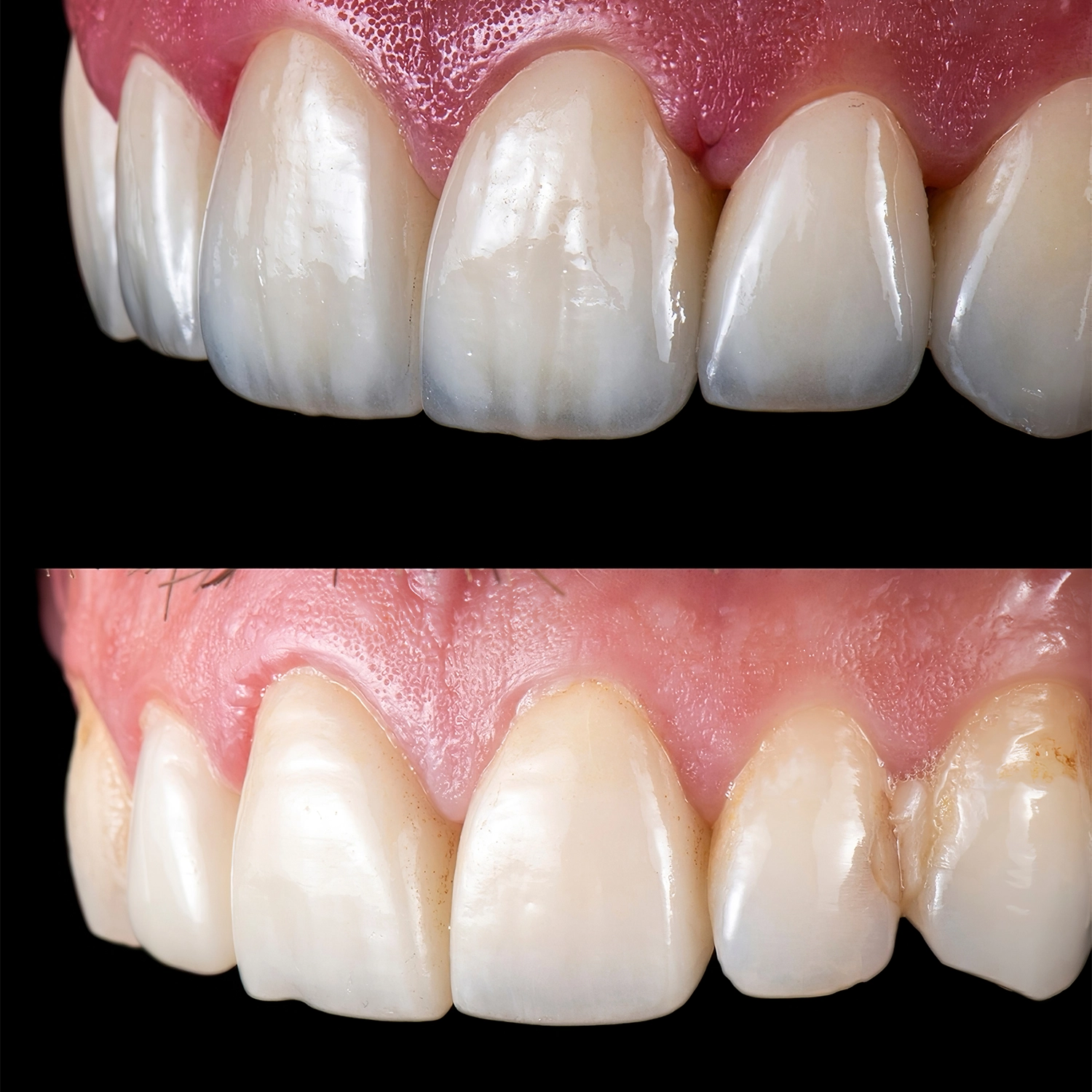
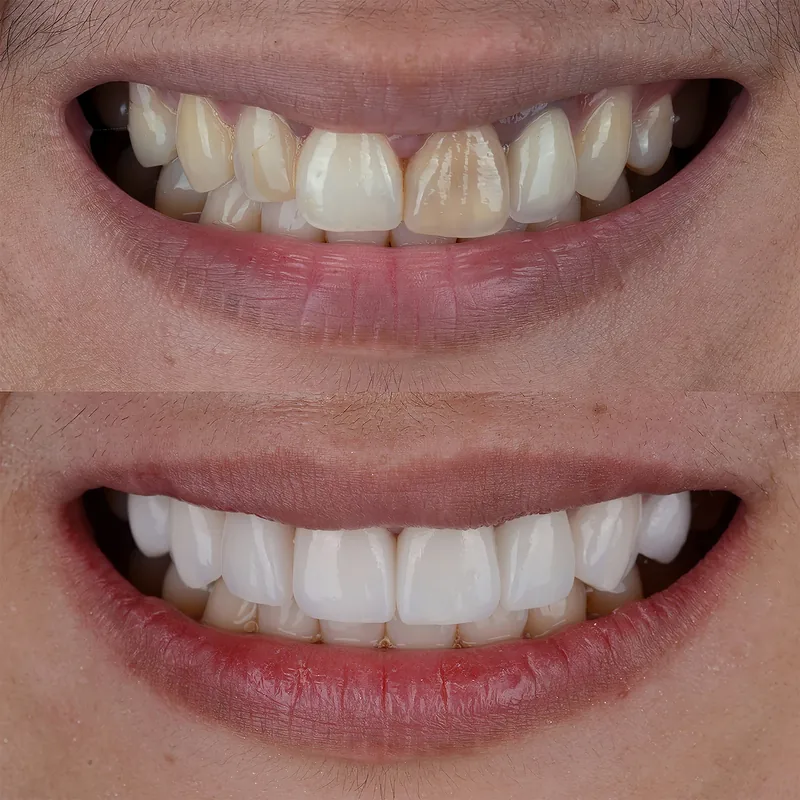
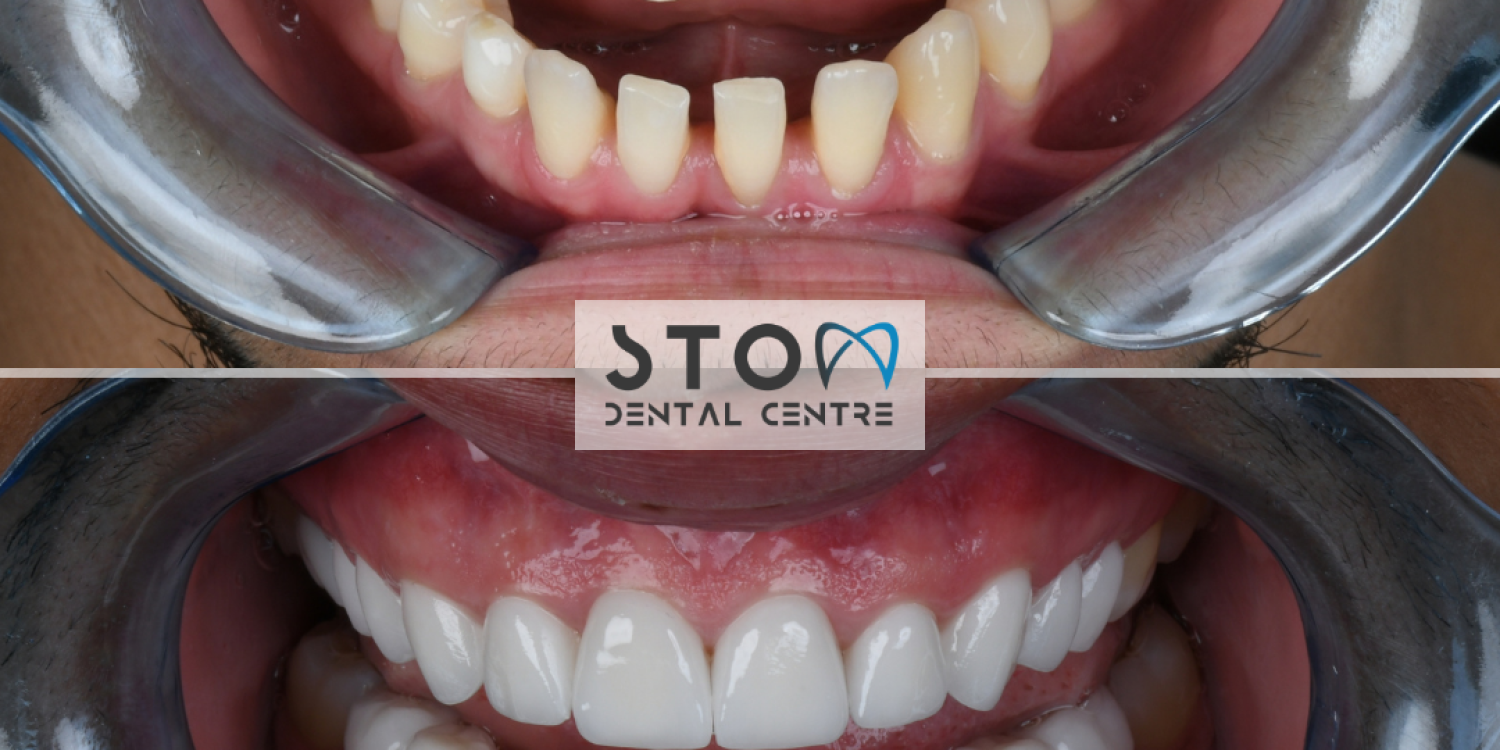
The following before-and-after photographs show actual results from calculus cleaning and periodontal treatments performed at Stom Dental Centre. All images are of real patients who provided consent for educational use.

In cases where calculus has caused significant staining or gum recession, patients often choose to combine scaling with cosmetic treatments such as zirconia crowns or laminate veneers during the same visit — taking advantage of the cost savings of having multiple procedures done at one clinic.
Want results like these?
4.9/5 from 67+ patient reviews on Google
Why Choose Stom Dental Centre for Calculus Cleaning?

- 20+ years of clinical experience — Dr. Telman Iskender and his team of 5 specialist dentists
- International Health Tourism Certificate — Issued by the Turkish Ministry of Health
- Modern equipment: Ultrasonic scalers, EMS Airflow, digital X-rays, panoramic imaging
- 4 languages: Staff fluent in English, Turkish, Russian, and German
- 67+ verified Google reviews with a 4.9/5 average rating
- Transparent pricing — All costs communicated upfront, no hidden fees
- Combined treatments: Get calculus cleaning + cosmetic work in one visit, saving time and travel costs
Frequently Asked Questions About Dental Calculus
How long does a dental calculus cleaning take?
A routine scaling appointment takes 30–45 minutes. If deep scaling or root planing is needed (for subgingival calculus), the procedure may take 60–90 minutes and may be split across two visits.
Is dental calculus cleaning painful?
Modern ultrasonic scaling is virtually painless for most patients. You may feel vibrations and slight pressure, but significant pain is uncommon. For patients with sensitive teeth or deep subgingival deposits, local anaesthesia is available.
What is the difference between dental calculus and plaque?
Plaque is a soft, sticky biofilm that forms daily on teeth and can be removed by brushing. Calculus (tartar) is plaque that has mineralised and hardened — it cannot be removed by brushing and requires professional dental instruments.
Can dental calculus cause tooth loss?
Yes. Calculus harbours bacteria that cause chronic gum inflammation (periodontitis), which progressively destroys the bone supporting your teeth. Periodontitis is the leading cause of tooth loss in adults worldwide.
How much does dental calculus cleaning cost in Turkey?
Routine scaling in Turkey costs approximately €40–80, compared to €80–180 in the UK and €80–150 in Germany. Deep scaling with root planing ranges from €80–200. At Stom Dental Centre, pricing is transparent and communicated before treatment.
Does dental calculus grow back after cleaning?
Calculus itself does not “grow back,” but new calculus will form if plaque is not removed regularly. With proper oral hygiene (brushing twice daily, flossing, using anti-tartar toothpaste) and professional cleanings every 6 months, new calculus formation can be significantly reduced.
Is it safe to remove calculus at home?
No. Home scaling tools sold online can damage enamel, lacerate gum tissue, and push bacteria deeper into periodontal pockets, potentially worsening infections. Professional dental instruments and trained technique are essential for safe, effective calculus removal.
What should I do after a calculus cleaning?
Avoid eating or drinking hot foods for 1–2 hours. Some sensitivity is normal for 1–3 days. Continue your regular oral hygiene routine. Use a desensitising toothpaste if sensitivity occurs. Avoid smoking for at least 48 hours, as it impairs healing.

References
- Figuero, E. et al. (2017). Mechanical and chemical plaque control. Journal of Clinical Periodontology, 44(S18), S58–S64.
- WHO (2022). Global Oral Health Status Report.
- GBD 2019 Diseases and Injuries Collaborators. The Lancet, 396(10258), 1204–1222.
- Tonetti, M.S. et al. (2017). Periodontitis and atherosclerotic cardiovascular disease. Journal of Clinical Periodontology, 44, S24–S29.
- Preshaw, P.M. et al. (2012). Periodontitis and diabetes: a two-way relationship. Diabetologia, 55(1), 21–31.
- Robinson, P.G. et al. (2014). Manual versus powered toothbrushing. Cochrane Database of Systematic Reviews.
Ready to Get Your Teeth Professionally Cleaned?
Join 67+ happy patients who trusted Stom Dental Centre. Free consultation, transparent pricing.
Stom Dental Centre | Muratpasa, Antalya | International Health Tourism Certified