E-Max Crowns & Veneers: The Complete 2026 Guide — Costs, Lifespan, and How They Compare to Zirconia
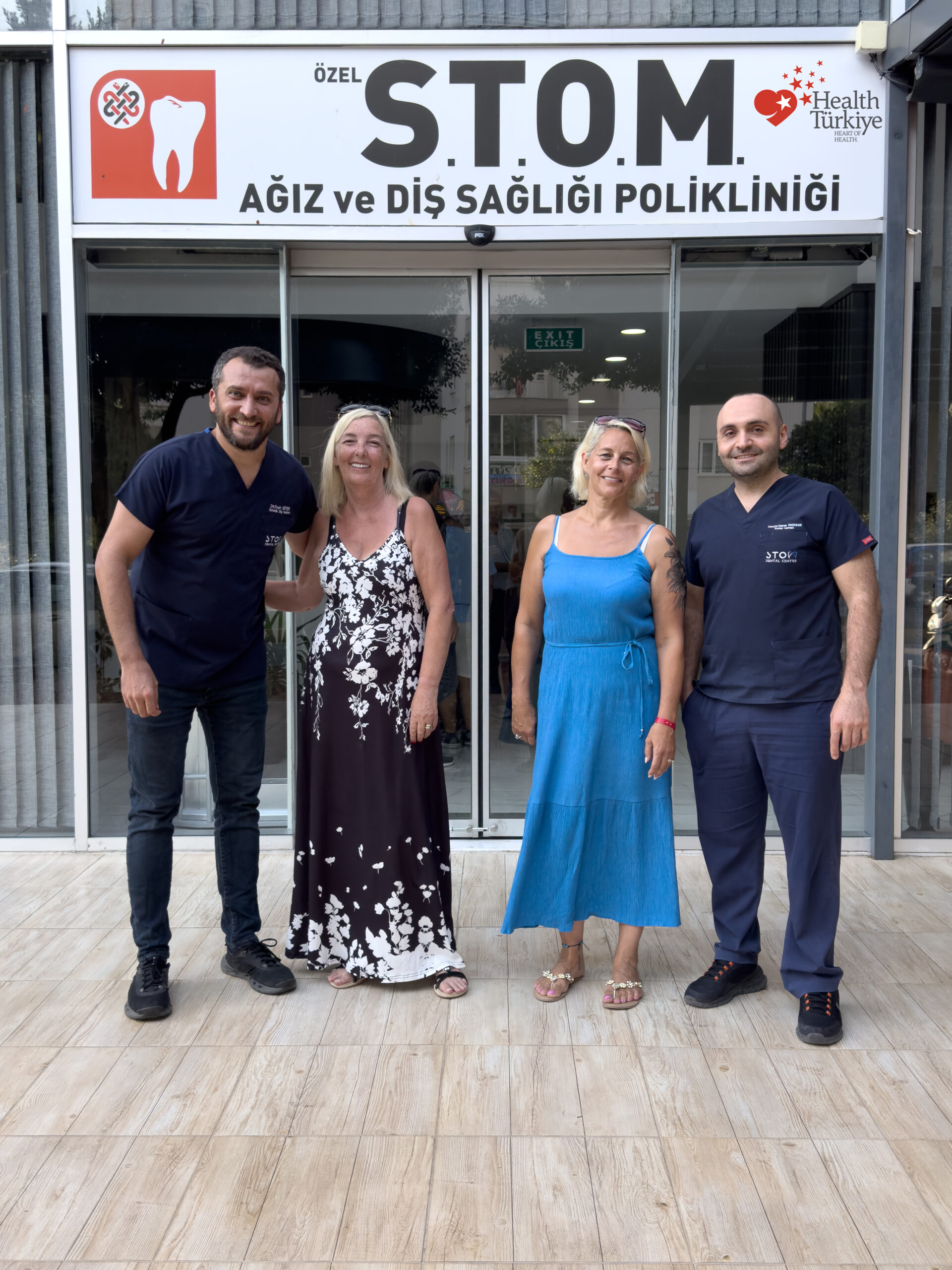
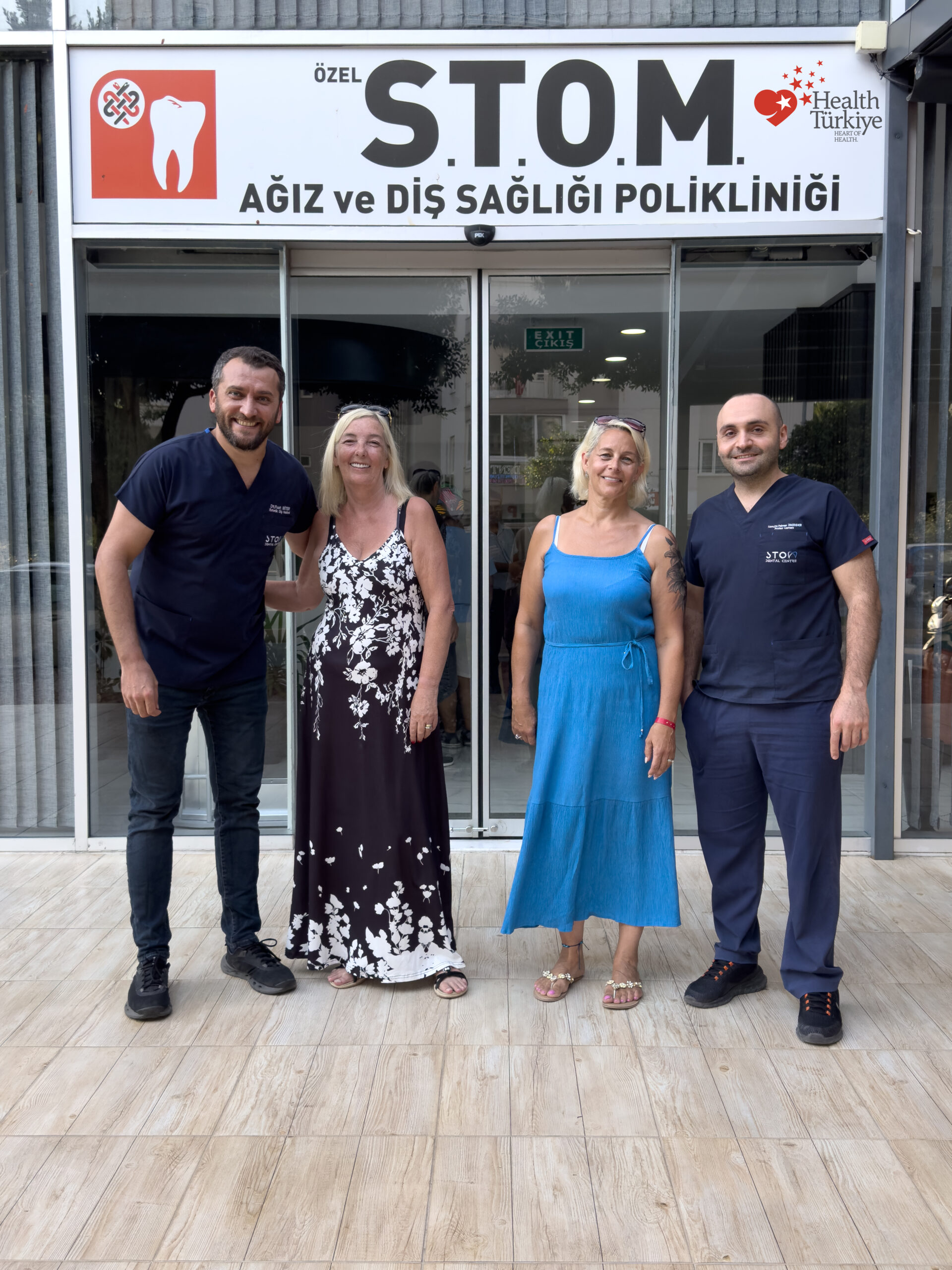
Medically reviewed by Dr. Fuat Biter, Specialist in Endodontics and Restorative Treatments, Stom Dental Centre Antalya
E-Max is the material most patients ask about when they want front teeth that look completely natural — and it is also the material most clinics explain badly. This guide covers what E-Max actually is, what it costs in 2026 (with real price tables for Turkey, the UK, Germany and the USA), how long it genuinely lasts, and — just as important — the cases where E-Max is the wrong choice and zirconia or a different restoration will serve you better.
- E-Max is lithium disilicate — a glass-ceramic developed by Ivoclar (Liechtenstein) with a flexural strength of roughly 500 MPa, about five times stronger than conventional dental porcelain.
- 2026 cost per tooth: €150–€250 in Antalya, Turkey vs. €500–€1,000 in the UK, €400–€900 in Germany, and €800–€2,500 in the USA — same branded material, 60–75% lower price.
- Lifespan: 15–20 years with normal care; long-term clinical studies report survival rates above 95% at 10+ years for lithium-disilicate restorations.
- E-Max wins on aesthetics (translucency like natural enamel, ideal for front teeth); zirconia wins on raw strength (molars, bruxism, root-treated teeth).
- Veneers need only 0.3–0.7 mm of preparation — most of your natural tooth stays untouched. A full crown is a bigger commitment; a good clinic will tell you which one you actually need.
- At Stom Dental Centre the full treatment fits into a 5–7 day visit, and all prosthetic work carries a 10-year guarantee.
What Is an E-Max Crown or Veneer, Exactly?
E-Max (written IPS e.max by its manufacturer, Ivoclar) is not a brand of crown — it is a material: lithium disilicate glass-ceramic. It can be pressed or milled into veneers, crowns, inlays, onlays and short bridges. (Strictly speaking, “E-Max” is Ivoclar’s product name — IPS e.max — which has become shorthand for the material itself; at Stom Dental Centre, the two lithium-disilicate brands used most are IPS e.max and Amber, chosen case by case and named in your written treatment plan.) Two properties made it the standard for cosmetic front-teeth work worldwide:
Natural enamel is semi-translucent — light passes partly through it. Metal-based crowns block that light, which is why they can look flat or show a grey line at the gum. Lithium disilicate transmits light the way enamel does, so an E-Max restoration next to a natural tooth is very hard to spot.
With a flexural strength of around 500 MPa (manufacturer data), E-Max is roughly five times stronger than the feldspathic porcelain used in older veneers. That strength allows very thin restorations — which is exactly why so little of your natural tooth needs to be removed.
No metal core means no grey gum line, no metal allergies, and no galvanic reactions. The ceramic surface also resists staining and plaque better than composite materials.
E-Max restorations are designed digitally and milled or pressed to fit within fractions of a millimetre. A precise margin means less space for bacteria — one of the main factors deciding whether a crown lasts 8 years or 20.
E-Max Crown vs. E-Max Veneer vs. Laminate — Which One Do You Need?
These three terms confuse more patients than anything else in cosmetic dentistry, and the difference matters — both for your tooth and for your budget:
| Restoration | Covers | Tooth preparation | Best for |
|---|---|---|---|
| E-Max veneer (laminate veneer) | Front surface + edge of the tooth | 0.3–0.7 mm — minimal, enamel largely preserved | Healthy teeth that need a cosmetic change: colour, small gaps, minor misalignment, worn edges |
| E-Max crown | The entire tooth, 360° | More substantial, all surfaces | Teeth weakened by large fillings, root canal treatment, fractures — where the tooth needs structural protection, not just a new face |
| E-Max inlay/onlay | Part of the chewing surface | Only the damaged area | Back teeth with medium-sized defects — more conservative than a full crown |
The honest rule a good dentist follows: never crown a tooth that a veneer can fix, and never veneer a tooth that needs a crown. Over-preparation of healthy teeth for full crowns is one of the most common problems we see in patients arriving from heavily discounted clinics — we documented this pattern in detail in our Turkey Teeth safety guide.
Not sure whether your teeth need veneers or crowns? Send us a photo of your smile on WhatsApp — Dr. Telman’s team will tell you honestly which restoration fits your case, in English, German, Russian or Turkish. The assessment is free and you are not committing to anything.
E-Max vs. Zirconia vs. Metal-Ceramic: The Honest Comparison
E-Max is not “better” than zirconia — they are different tools. Here is how the three main crown materials actually compare:
| Property | E-Max (lithium disilicate) | Zirconia | Metal-ceramic (PFM) |
|---|---|---|---|
| Flexural strength | ~500 MPa | ~1,000–1,200 MPa | Metal core (very strong), porcelain layer can chip |
| Aesthetics / translucency | Best — closest to natural enamel | Very good (modern multilayer), slightly more opaque | Weakest — opaque, possible grey gum line over time |
| Tooth preparation | Minimal for veneers (0.3–0.7 mm) | More (1.5–2 mm for crowns) | Most |
| Ideal position | Front teeth (incisors, canines, premolars) | Molars, full-mouth cases, bridges | Largely outdated for visible teeth |
| Bruxism (heavy grinding) | Possible with a night guard — discuss honestly | Better choice | Possible |
| Lifespan | 15–20 years | 15–25 years | 10–15 years |
| 2026 price per unit (Turkey) | €150–€250 | €120–€200 | Rarely recommended |
The combination most international patients at our clinic end up with: E-Max veneers or crowns on the front six to eight teeth where translucency is visible when you smile, and zirconia crowns on molars where chewing force matters more than light transmission. That is also the combination Dr. Telman plans in most full smile makeover cases.
E-Max Cost in 2026: Turkey vs. UK vs. Germany vs. USA
These are realistic 2026 price ranges per tooth. The Turkey column is what patients actually pay at Stom Dental Centre in Antalya — the same price list we publish across our treatment pages, not a teaser rate:
| Restoration | Turkey (Antalya) | UK | Germany | USA |
|---|---|---|---|---|
| Single E-Max veneer | €150–€250 | €500–€1,000 | €400–€900 | €800–€2,500 |
| Single zirconia crown (comparison) | €120–€200 | €500–€1,200 | €400–€1,000 | €800–€1,500 |
| Smile makeover (8 veneers, upper arch) | €1,200–€2,000 | €4,000–€8,000 | €3,200–€7,200 | €6,400–€20,000 |
| Hollywood Smile (16–20 veneers) | €2,500–€5,000 | €8,000–€16,000 | €7,000–€14,000 | €12,000–€40,000 |
E-Max crowns (full 360° coverage, as opposed to veneers) are priced at £235–290 per crown at Stom in 2026 — the exact figure depends on the number of crowns and the payment method, and is confirmed in your written quote.
Why is the same material 60–75% cheaper in Turkey?
Reasonable question — and the answer is not “lower quality”. The ceramic blocks are the same branded material regardless of country. The difference is structural:
- Laboratory and staff costs: dental technician wages and lab overheads in Turkey are a fraction of UK/German levels — and lab work is the biggest single cost in ceramic restorations.
- Clinic overheads: rent, insurance and administration in Antalya cost far less than in London or Munich.
- Volume: clinics focused on international patients place more units per week than a typical European practice places per month — materials are bought at volume prices and workflows are far more efficient.
A useful way to think about it: an E-Max veneer at €200 that lasts 15 years costs you about €13 per year. The same veneer at €750 in the UK costs €50 per year. The material in your mouth is identical — for a detailed cost breakdown of full smile makeovers, see our Hollywood Smile cost guide.
Get Your Personal E-Max Quote — Free & Within 24 Hours
Send us a photo or a panoramic X-ray if you have one. You receive: an honest assessment (veneer vs. crown, per tooth), the exact 2026 price for your case, and a day-by-day treatment plan for your Antalya visit. No deposit, no obligation.
The Treatment Process in Antalya: 5–7 Days, Two Fittings
E-Max treatment at Stom Dental Centre is planned so that international patients complete everything in a single visit. The realistic schedule:
| Day | What happens |
|---|---|
| Day 1 | Clinical examination, panoramic X-ray, photo analysis and Digital Smile Design — you see the planned result before any tooth is touched. Shade selection together with you (see next section). Honest treatment plan: which teeth need veneers, which need crowns, which need nothing. |
| Day 2 | Tooth preparation (0.3–0.7 mm for veneers) under local anaesthesia, digital impressions, and fitted temporary veneers — you leave the clinic with presentable teeth, not stumps. |
| Days 3–5 | The laboratory presses/mills and individually layers your E-Max restorations. You are free — recovery is mild, and Antalya is not the worst place to wait. |
| Day 5–6 | Try-in: each unit is checked for fit, colour and bite — adjustments are made before final bonding, not after. |
| Day 6–7 | Adhesive bonding under controlled dry conditions, bite fine-tuning, final photos, care instructions, and your written 10-year guarantee documents. |
If you cannot stay a full week, tell us in advance — in selected cases the schedule can be compressed, but we will tell you honestly when it cannot be done without compromising the result.
Choosing the Colour: The E-Max Shade Scale
“Which white?” is a bigger decision than most patients expect, and it is one of the most searched E-Max questions. E-Max restorations are produced across the full VITA shade system:
- A–D shades (natural scale): A1–D4 — the range of natural tooth colours. A1/A2 are the most chosen “naturally bright” shades for patients who want nobody to know they had work done.
- Bleach shades (BL1–BL4): brighter than any natural tooth. BL3/BL4 read as “clearly whitened but plausible”; BL1/BL2 are the full “Hollywood” range.
Three practical rules from our smile-design workflow:
- Match the whites of your eyes. Teeth noticeably whiter than your sclera look artificial in photos. This is the single most useful guideline in shade selection.
- If only some teeth are treated, the shade must match the untreated neighbours — or you whiten the natural teeth first (€100–€200 professionally) and match the ceramics to the whitened result.
- Decide in daylight, not under clinic LEDs. At Stom we check the selected shade against your skin tone in natural light and with photos before anything goes to the lab.
Advantages and Disadvantages — Both Sides, Honestly
• Most natural appearance of any crown/veneer material
• Minimal tooth preparation for veneers — enamel preserved
• No metal: no grey gum line, no allergy risk
• Stain-resistant ceramic surface
• 15–20 year lifespan, >95% survival in long-term studies
• Precise CAD/CAM fit protects against secondary decay
• Not the first choice for heavy, untreated bruxism — zirconia is stronger; a night guard is mandatory either way
• Costs more than composite bonding (which lasts 5–8 years, not 15–20)
• Crown preparation is irreversible — which is exactly why a tooth that only needs a veneer should never be crowned
• Not suitable for long bridges (3+ missing teeth) — zirconia or implant solutions are used there
• Requires meticulous adhesive bonding — technique-sensitive; quality depends on the dentist, not just the material
Who is not a candidate (yet)?
An honest clinic screens these before treatment, not after: active gum disease (must be treated first — see periodontal treatment), untreated cavities, severe untreated grinding, or insufficient enamel for adhesive bonding on veneers (a crown or different plan may be needed). If a clinic offers you 20 veneers without checking any of this, that is a warning sign — not a bargain.
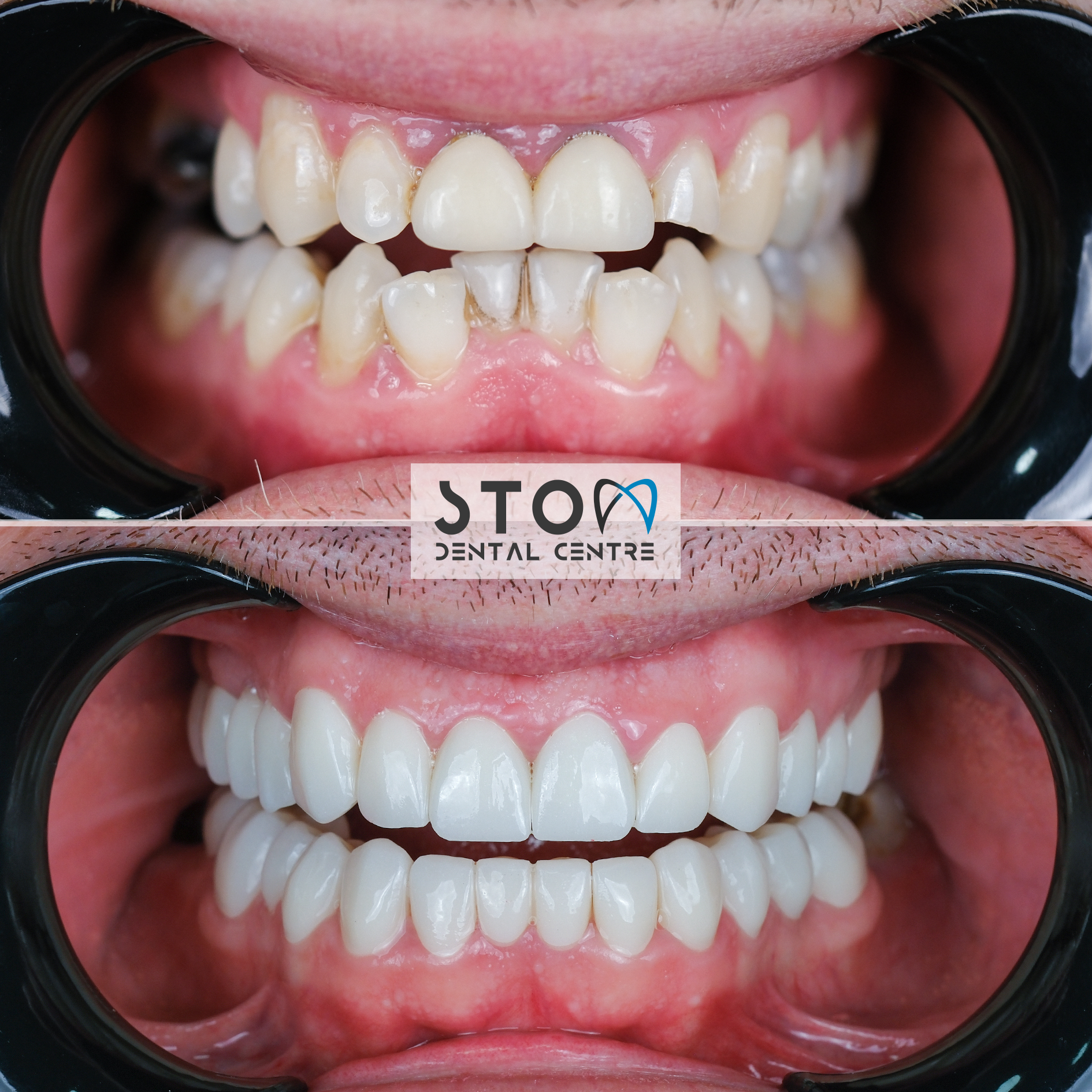
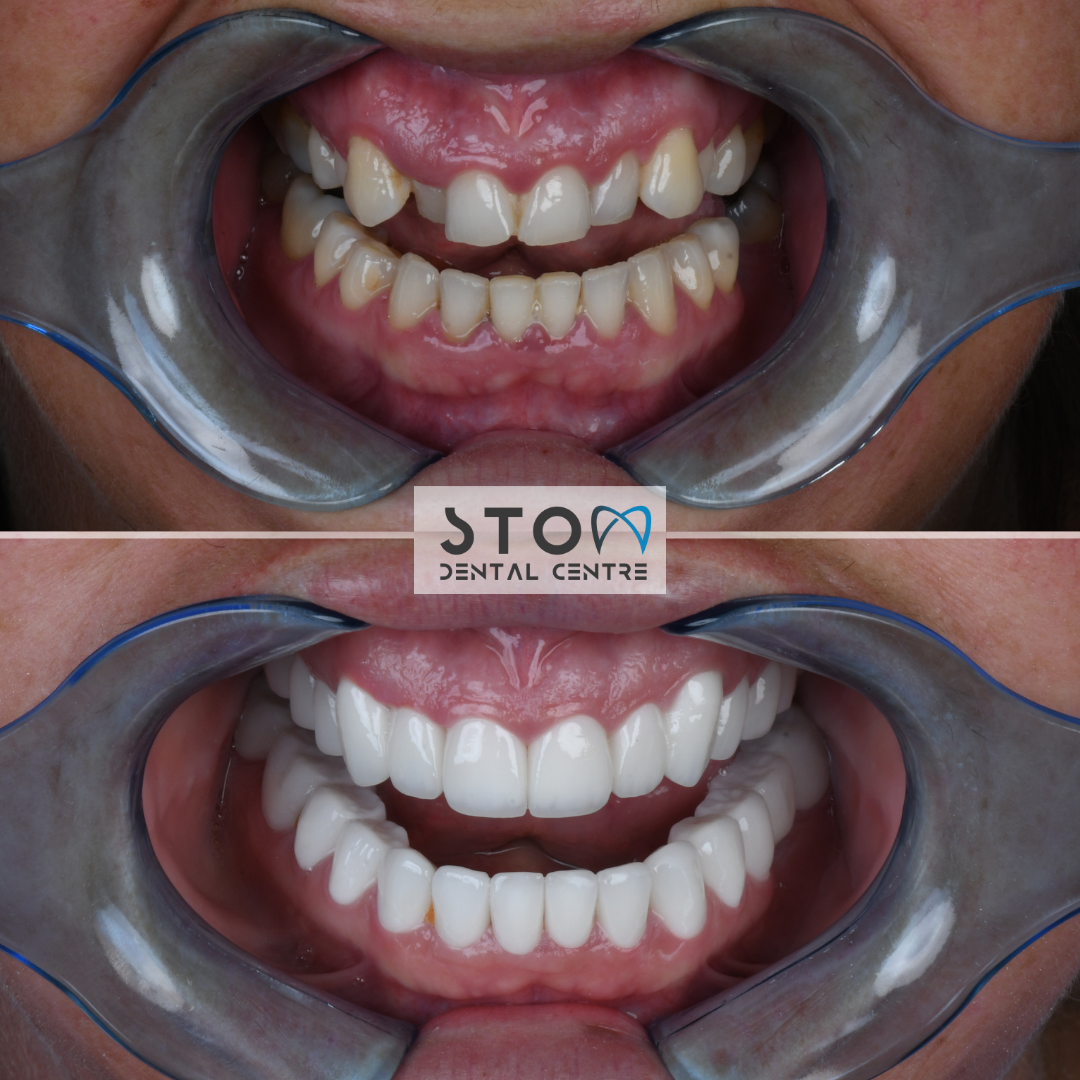
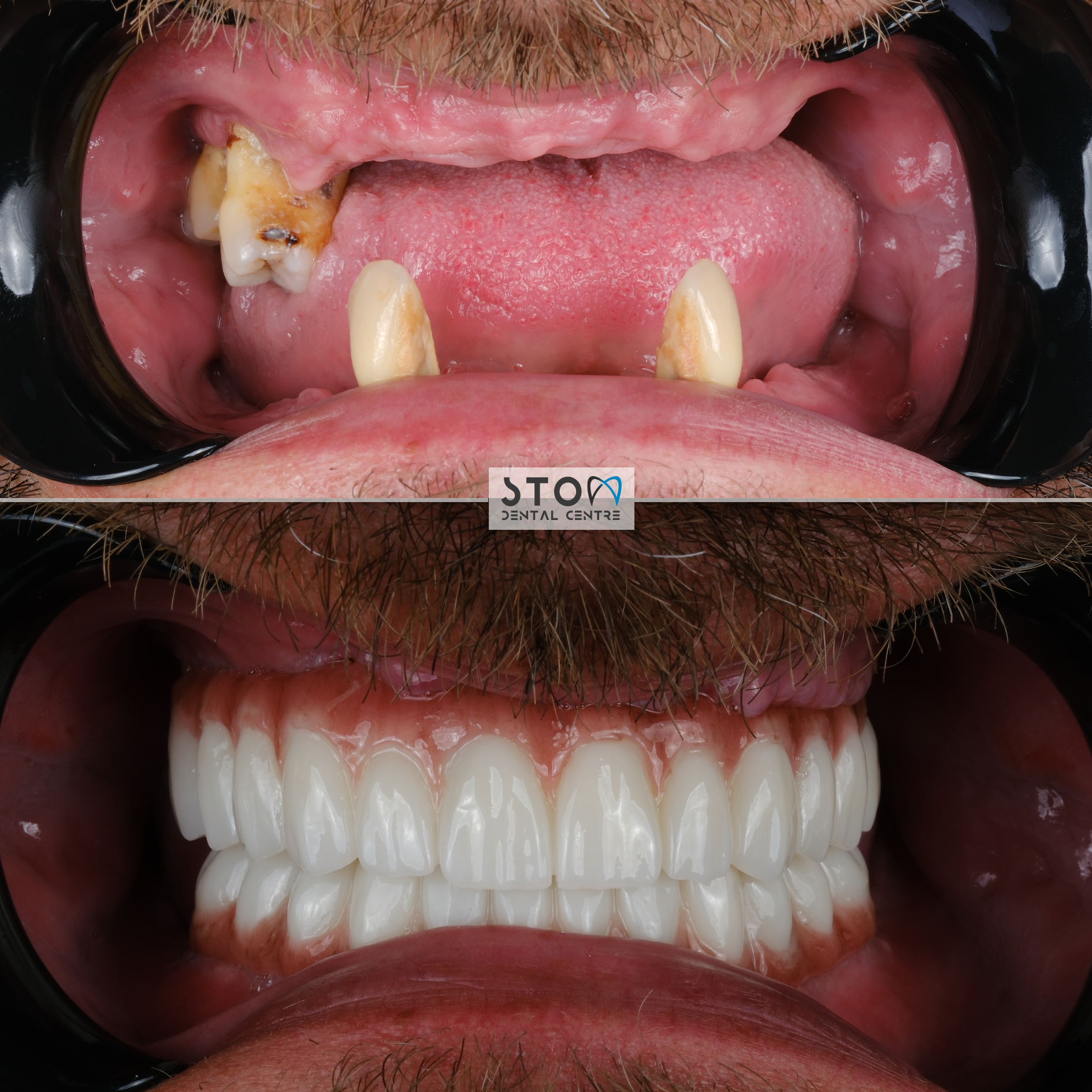
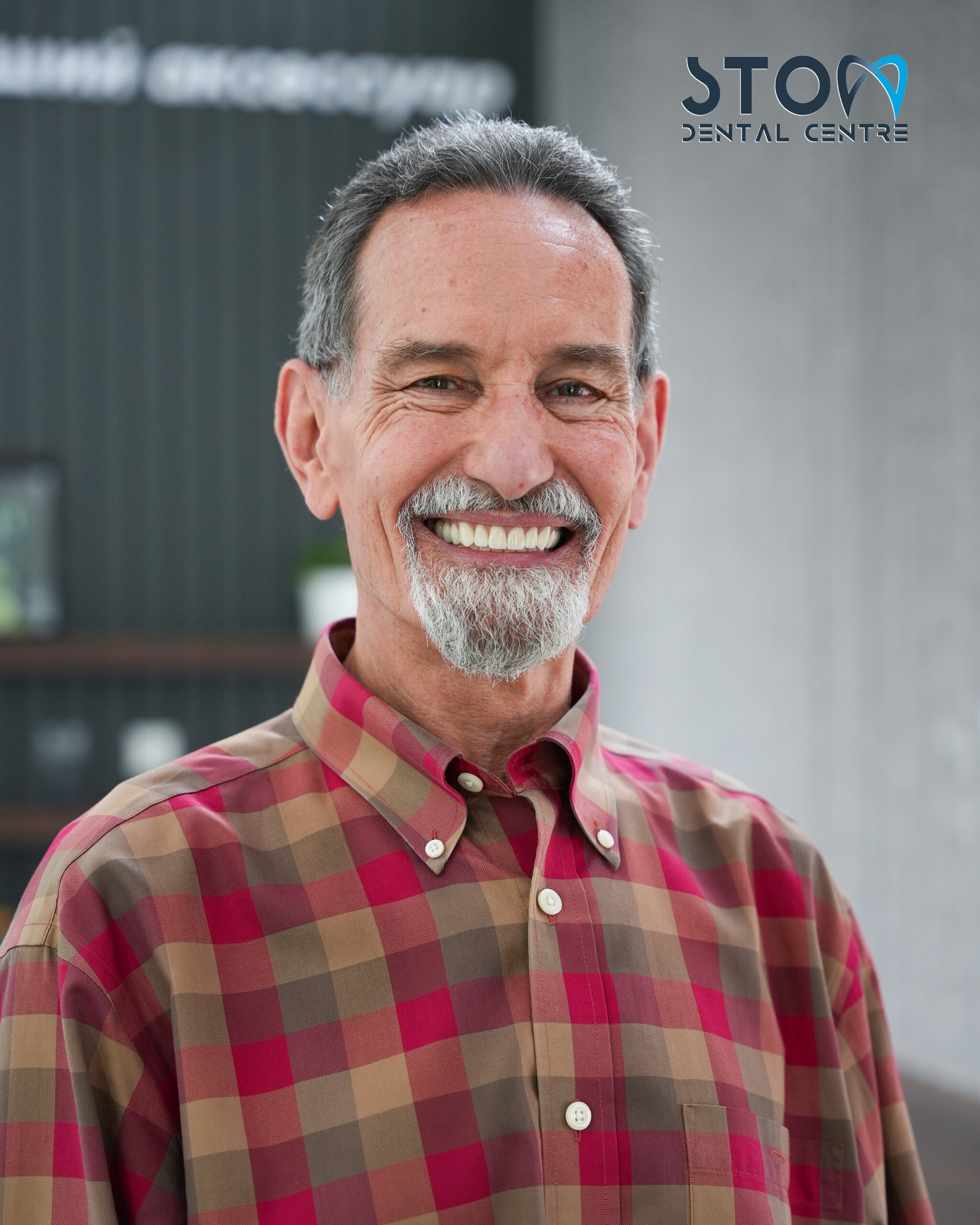
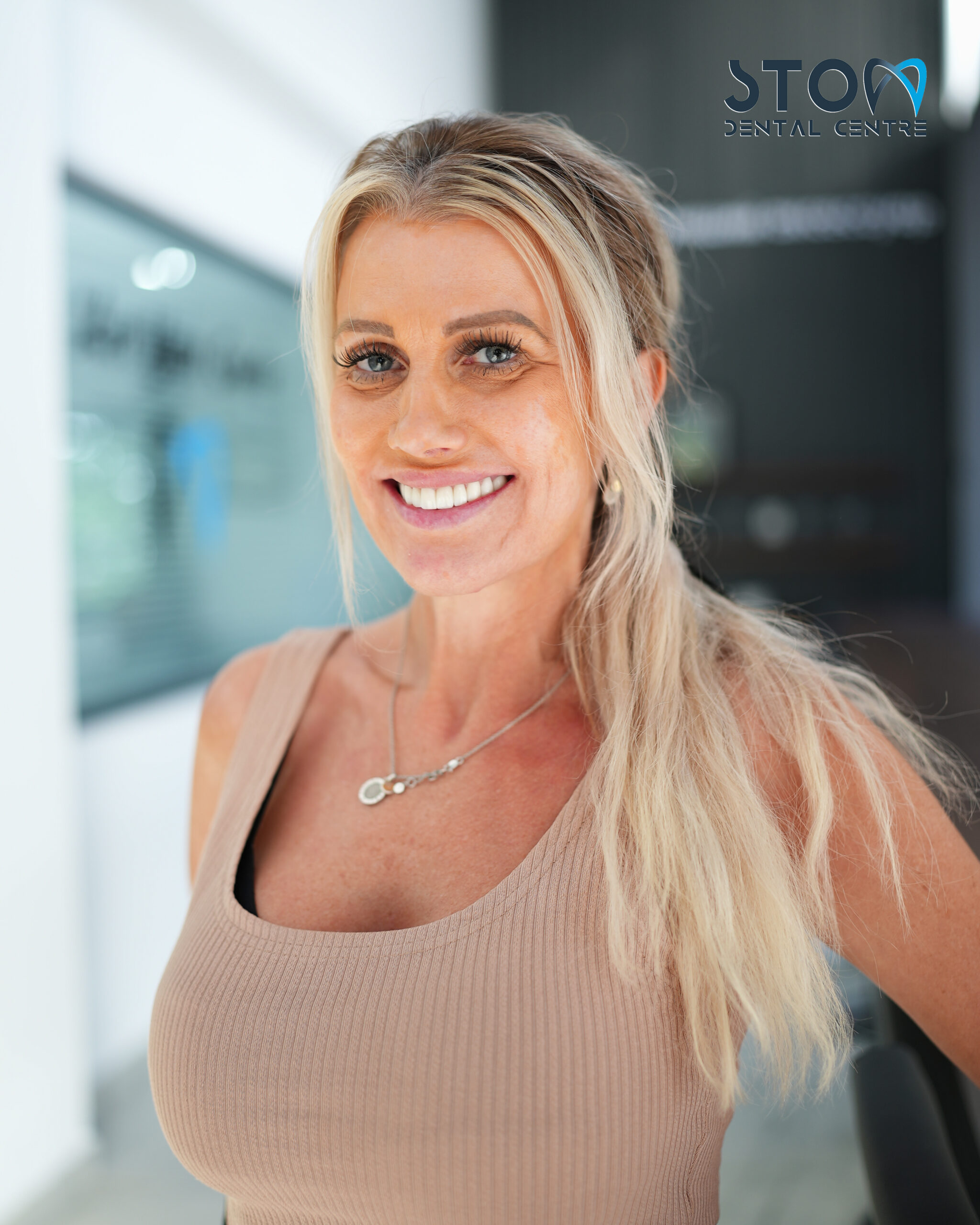
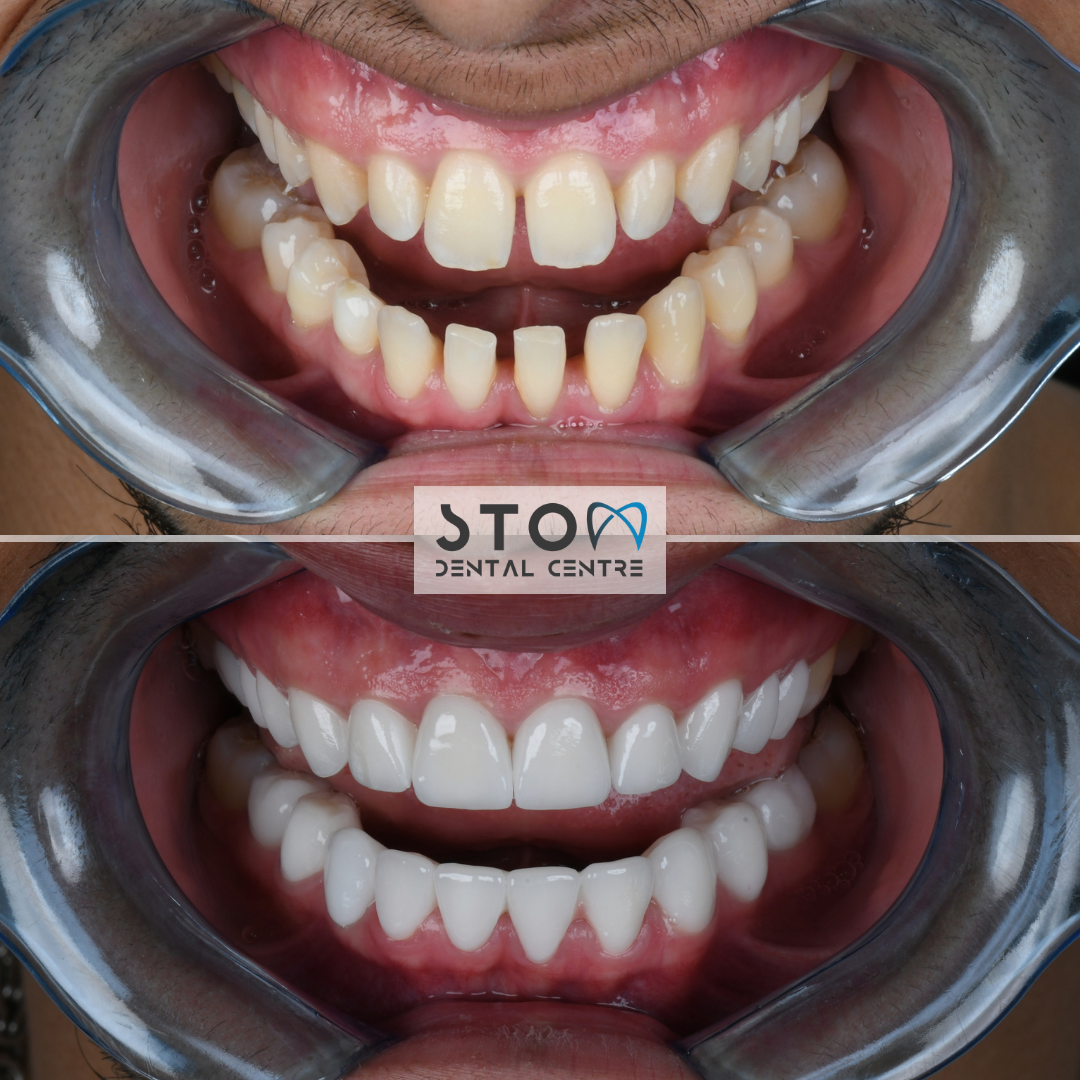
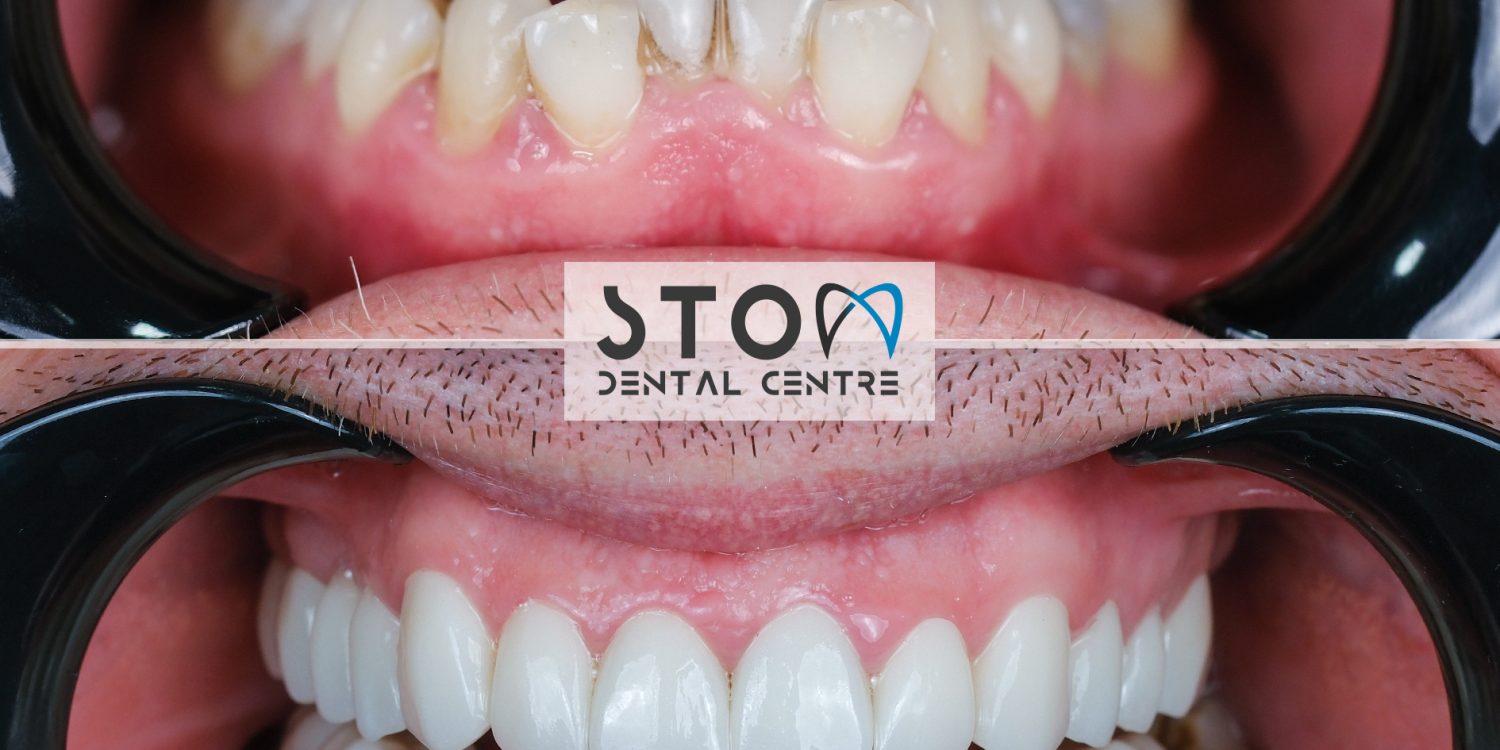
Real Results from Our Clinic


More cases — including full-arch combinations of E-Max and zirconia — are in our Before & After gallery, and patient experiences are on the Happy Customers page.
How Long Does E-Max Last — and What Makes the Difference?
Published long-term clinical data on lithium disilicate consistently shows survival rates above 95% after 10 years; with reasonable care, 15–20 years is the realistic expectation we communicate to patients. What actually decides whether yours reaches 20 years:
- Bonding quality on day one — the step you cannot influence, which is why clinic choice matters more than material choice.
- Night guard if you grind — we identify bruxism during examination and include a guard in the plan when needed.
- Normal hygiene, no heroics: regular brushing, interdental cleaning, and a professional calculus cleaning once or twice a year. E-Max does not need special products.
- Common sense: ceramics do not appreciate bottle-opening, nail-biting or cracking nuts. Neither do natural teeth.
Every prosthetic restoration placed at Stom Dental Centre — E-Max included — carries our written 10-year guarantee.
Frequently Asked Questions
What is an E-Max crown?
An E-Max crown is a full-coverage tooth restoration milled or pressed from lithium disilicate, a glass-ceramic developed by Ivoclar. It combines near-natural translucency with around 500 MPa flexural strength, making it the preferred metal-free crown for visible teeth.
What material is E-Max made of?
Lithium disilicate glass-ceramic (LS₂). It contains no metal. The material is produced as blocks or ingots and then milled (CAD/CAM) or heat-pressed into the final restoration, which is individually characterised and glazed by a dental technician.
How much do E-Max veneers cost in Turkey in 2026?
At Stom Dental Centre in Antalya, a single E-Max veneer costs €150–€250 in 2026. An 8-veneer smile makeover is €1,200–€2,000 and a full Hollywood Smile (16–20 units) €2,500–€5,000. Comparable UK prices are €500–€1,000 per veneer — a 60–75% difference for the same branded material. Full-coverage E-Max crowns are £235–290 per crown, depending on the number of crowns and the payment method.
E-Max or zirconia — which is better?
Neither is universally better. E-Max is more translucent and needs less tooth preparation — ideal for front teeth. Zirconia is roughly twice as strong — ideal for molars, bridges and patients who grind. Many treatment plans combine both: E-Max in the smile zone, zirconia where chewing forces are highest.
How long do E-Max crowns and veneers last?
15–20 years is the realistic expectation with normal care; long-term clinical studies report over 95% survival at 10+ years for lithium-disilicate restorations. Bonding quality, a night guard for grinders, and routine hygiene are the main factors that decide the final number.
What are the disadvantages of E-Max?
It costs more than composite bonding, it is not the first choice for severe untreated bruxism (zirconia is stronger), it cannot be used for long multi-unit bridges, and its longevity depends heavily on correct adhesive bonding — meaning the dentist’s technique matters as much as the material.
Do E-Max veneers damage your natural teeth?
Veneer preparation removes only 0.3–0.7 mm of enamel — far less than a crown. The tooth stays alive and structurally intact. What does damage teeth is unnecessary crowning of healthy teeth; a responsible clinic always recommends the most conservative restoration that solves your case.
Is it safe to get E-Max veneers in Antalya?
Yes — if you choose the clinic by evidence rather than price alone. Check that the clinic publishes its prices, names its materials in writing, shows real before/after cases, and offers a written guarantee (at Stom Dental Centre: 10 years on prosthetic work). Our Turkey Teeth safety guide contains a complete 25-point checklist.
References
- Ivoclar Vivadent AG, IPS e.max Scientific Report — manufacturer’s compiled long-term clinical and material data on lithium disilicate.
- Malament, K.A. et al., long-term clinical survival studies of pressed lithium-disilicate restorations, Journal of Prosthetic Dentistry.
- Pjetursson, B.E., Sailer, I. et al., systematic reviews on survival and complication rates of all-ceramic versus metal-ceramic restorations, Clinical Oral Implants Research / Dental Materials.
- Layton, D., Walton, T., long-term survival data on porcelain laminate veneers, International Journal of Prosthodontics.
- Stom Dental Centre Antalya — published 2026 treatment price lists and clinical protocols.
Ready for an honest assessment? Stom Dental Centre, Muratpaşa/Antalya — led by Dr. Telman Iskender, treating international patients in English, German, Russian and Turkish. Free consultation, written quote within 24 hours, 10-year guarantee on all prosthetic work.
→ WhatsApp +90 537 306 87 09 · +90 242 323 00 66 · Contact page