Toronto Bridge: Fixed Full-Arch Teeth on Implants — The Complete 2026 Guide
If you have lost most or all of your teeth in one jaw and want them replaced with fixed teeth you never take out — not a denture that clicks in and out — the prosthesis you are looking for is almost certainly a Toronto Bridge. It is the full-arch, screw-retained restoration that sits on four to six dental implants and gives you a complete set of teeth that feel and function like your own. This guide explains exactly what a Toronto Bridge is, how it differs from All-on-4, All-on-6 and a removable denture, which materials it comes in, how the treatment works, how long it lasts, what it costs — and how to judge a clinic before you commit.

- What it is: a fixed, screw-retained full-arch bridge carried by 4–6 implants — also called a hybrid prosthesis or fixed-detachable bridge. In Turkish: Toronto protez / Toronto köprüsü.
- Fixed, not removable: it stays in your mouth permanently; only your dentist removes it (for a check or clean).
- Toronto Bridge vs All-on-4: All-on-4 / All-on-6 describes how the implants are placed; the Toronto Bridge is the teeth that go on top. They work together.
- Materials: acrylic-on-titanium (lighter, easier to repair) or monolithic zirconia (strongest, most lifelike). Your choice changes look, durability and price.
- Cost: in Turkey, a full-arch fixed bridge typically costs a fraction of UK/German/US prices for the same materials — your exact figure comes in a free written quote.
Want to know if a Toronto Bridge is right for you? Send your panoramic X-ray or CT scan on WhatsApp — Dr. İskender will review it personally and tell you which option (and how many implants) fits your case, in English, German, Russian or Turkish. The assessment is free.
What Is a Toronto Bridge?
A Toronto Bridge is a full-arch dental prosthesis — a complete row of teeth — that is fixed onto dental implants with screws. The name comes from the protocol developed at the University of Toronto in the late 1970s, building on Professor Brånemark’s implant research. It is the original “teeth in a day” full-arch solution and remains the standard for fixed full-mouth rehabilitation today.
The defining features:
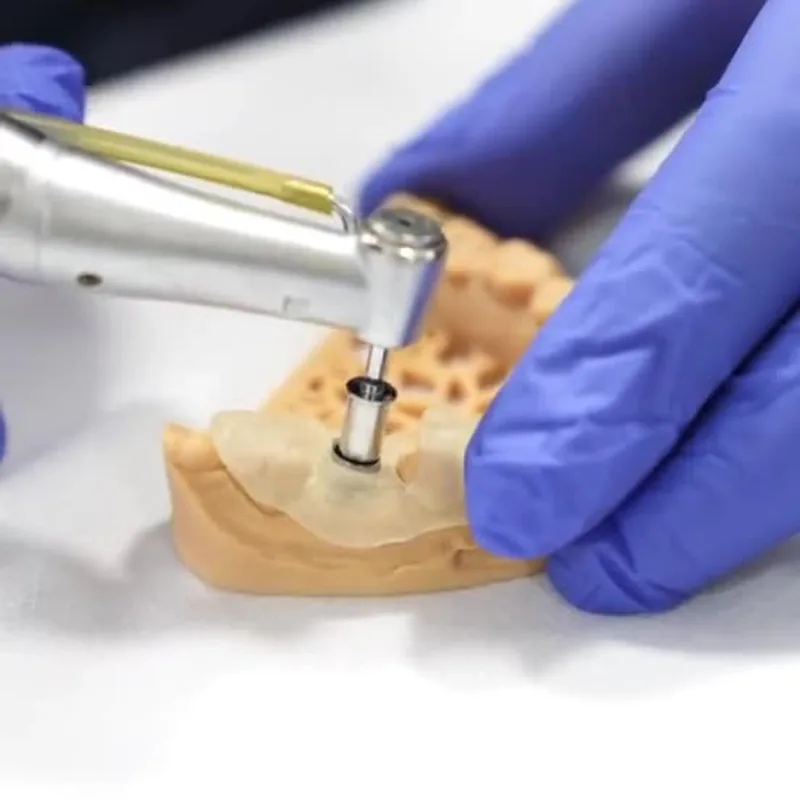
- Screw-retained, not glued. The bridge is screwed onto the implants through small access holes (later filled with tooth-coloured composite). Because it is screwed on, your dentist can unscrew it for maintenance — which is why it is also called a fixed-detachable bridge.
- One solid piece per jaw. Unlike individual crowns, the whole arch is one connected bridge, distributing chewing force across all the implants.
- Carried by 4–6 implants. A handful of well-placed implants can support a full arch of 10–14 teeth.
You may also see it called a hybrid prosthesis, fixed implant bridge, implant-supported bridge or, in Turkish, Toronto protez. They all describe the same thing.
Toronto Bridge vs. All-on-4 vs. All-on-6 — the confusion cleared up
This is the single most common misunderstanding, so let us be precise: All-on-4 and All-on-6 are not a different treatment from a Toronto Bridge — they are part of the same treatment.
- All-on-4 / All-on-6 describes the surgical side: how many implants are placed (four or six) and at what angle to support a full arch.
- The Toronto Bridge is the prosthetic side: the actual fixed teeth that are screwed onto those implants.
So a typical plan is “All-on-4 with a Toronto Bridge” — four implants carrying one fixed full-arch bridge. Whether you need four or six implants depends on your bone and bite, which is decided from a CT scan. If there is severe bone loss and even angled implants are not possible, zygomatic implants can still carry a Toronto Bridge.
Toronto Bridge vs. a Removable Denture
If you currently wear a full denture — or have been offered one — this is the comparison that matters most:
| Toronto Bridge (fixed) | Implant overdenture (clip-on) | Conventional denture | |
|---|---|---|---|
| Stays in permanently | Yes | You remove it nightly | You remove it daily |
| Implants needed | 4–6 per jaw | 2–4 per jaw | None |
| Chewing power | Closest to natural teeth | Good | Limited (30% of natural) |
| Feels like own teeth | Yes | Mostly | No — moves, covers palate |
| Bone preservation | Yes — implants keep bone | Yes | No — bone keeps shrinking |
The honest summary: a conventional denture is the cheapest but the weakest option and lets the jawbone continue to shrink. An implant overdenture is a solid middle path. A Toronto Bridge is the closest thing to having your own teeth back — fixed, strong, and it preserves the bone — which is why most patients who can have one choose it.
Materials: Acrylic-Titanium vs. Monolithic Zirconia
A Toronto Bridge is built on a strong framework with teeth attached. The framework and tooth material define how it looks, how long it lasts and what it costs:
A titanium bar for strength, with high-grade acrylic/composite teeth. Lighter, shock-absorbing, easy and inexpensive to repair if a tooth chips. The classic Toronto Bridge. Teeth may wear over years and can be refreshed.
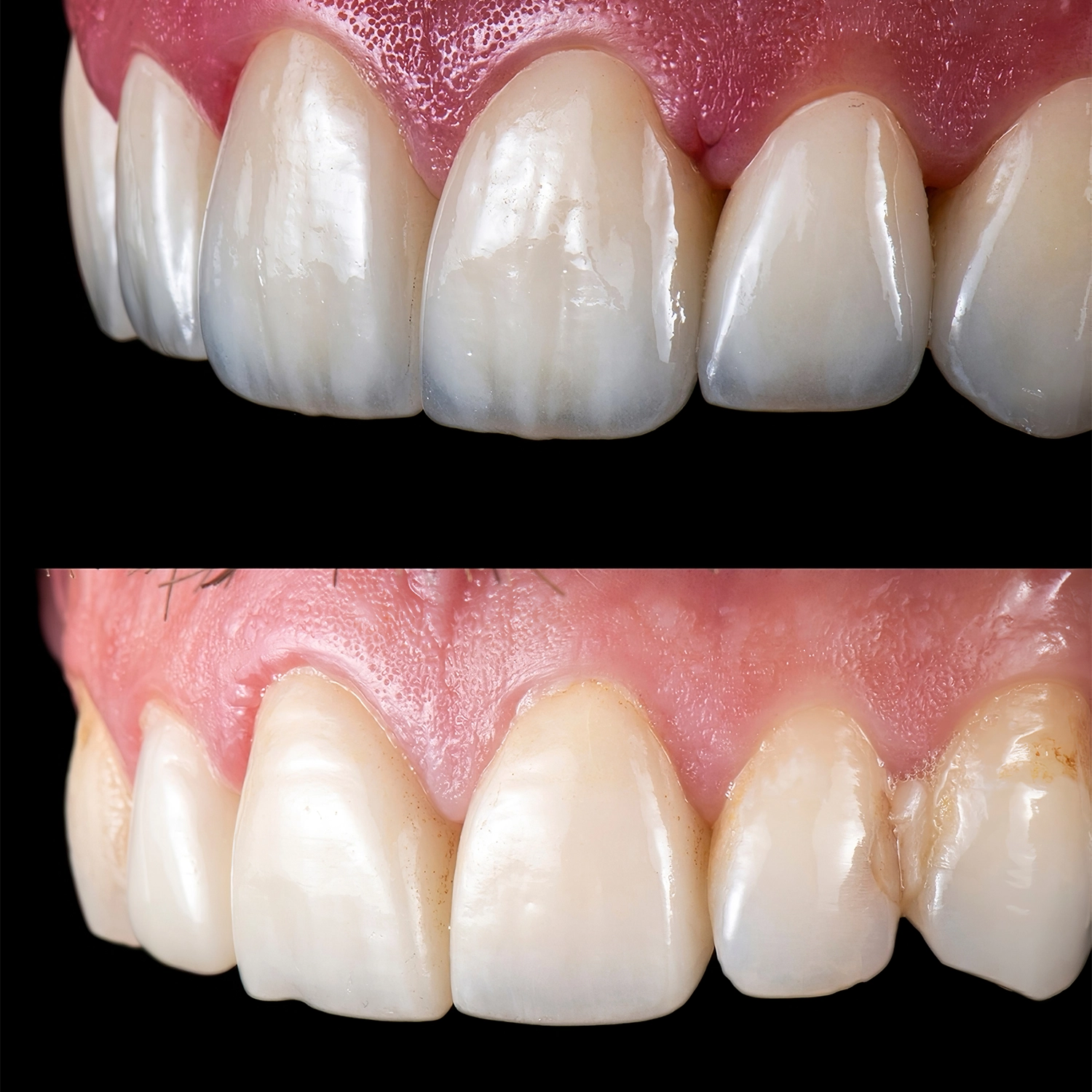
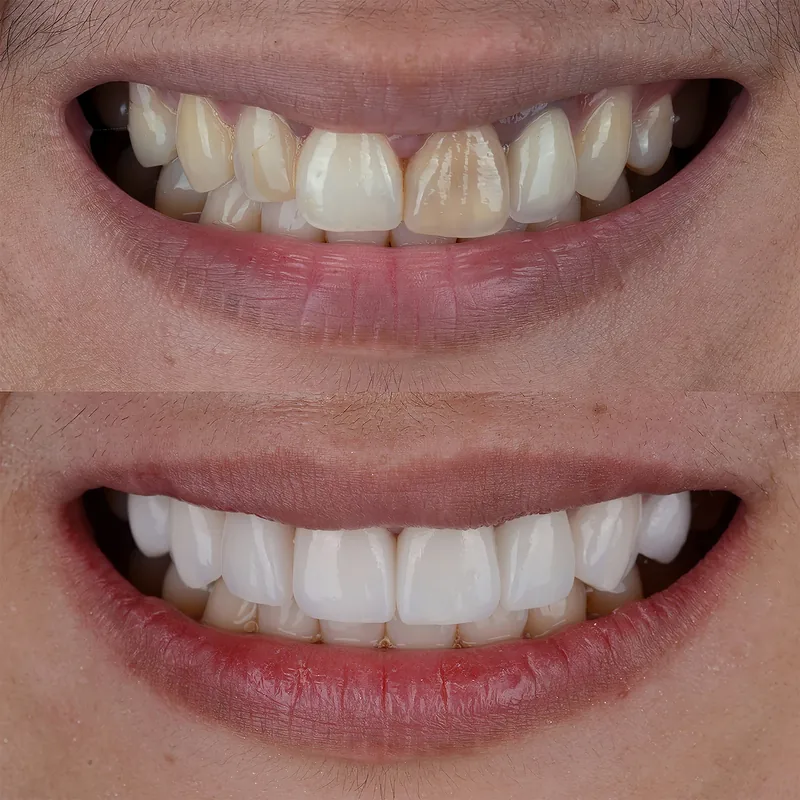
The whole arch milled from zirconia on a titanium base — strongest, most stain-resistant, most lifelike, virtually unchippable. The premium upgrade most international patients choose on their second visit.
Many patients start with the acrylic-titanium bridge as the fixed temporary, function on it while the implants fully integrate, then upgrade to the final zirconia bridge on a second trip. Both are excellent; the right choice depends on your bite, budget and aesthetic priorities — and should be explained to you in writing, not decided for you.
The Treatment, Step by Step
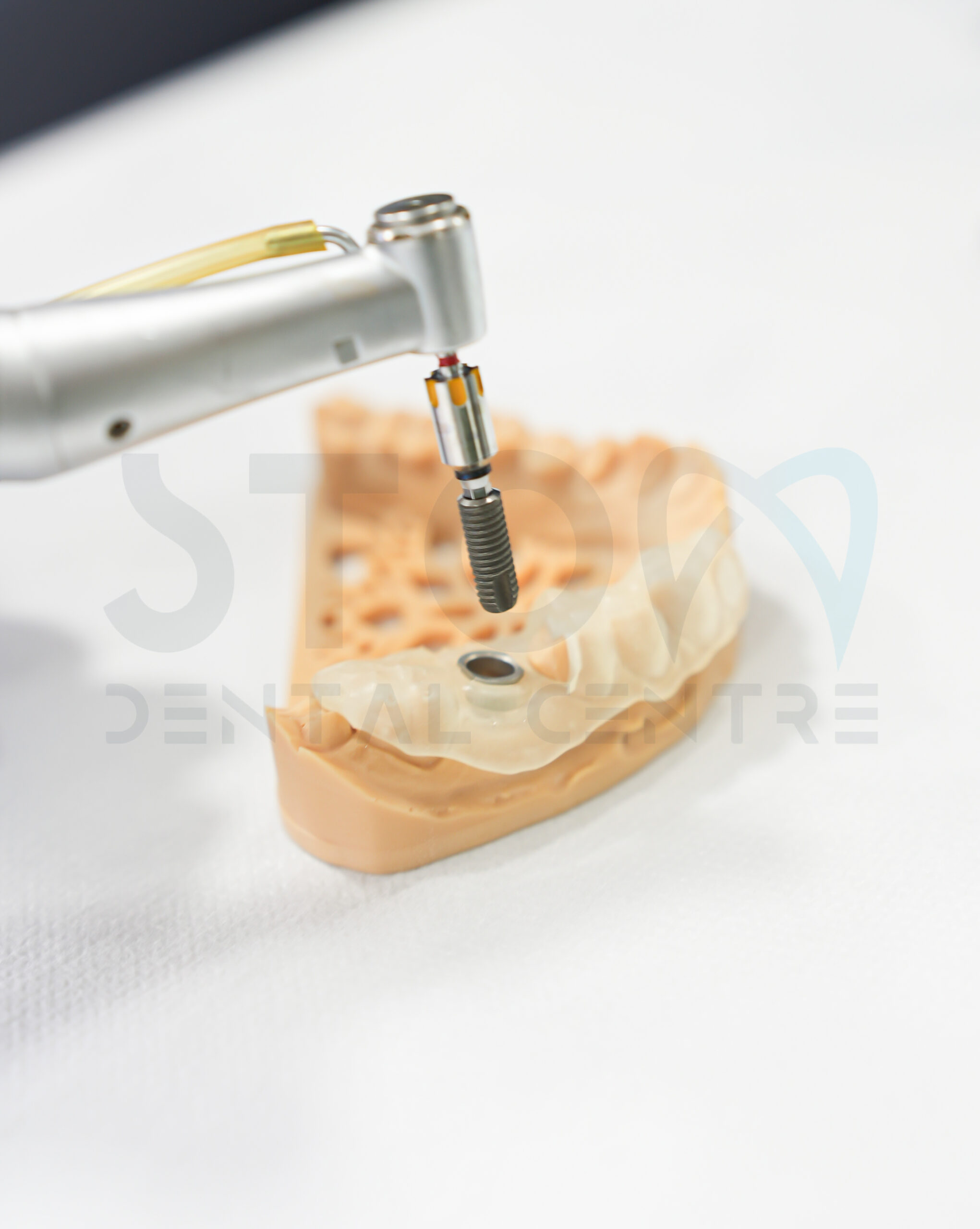
- 3D CT planning. A cone-beam CT maps your bone so implant number, position and angle are planned before surgery.
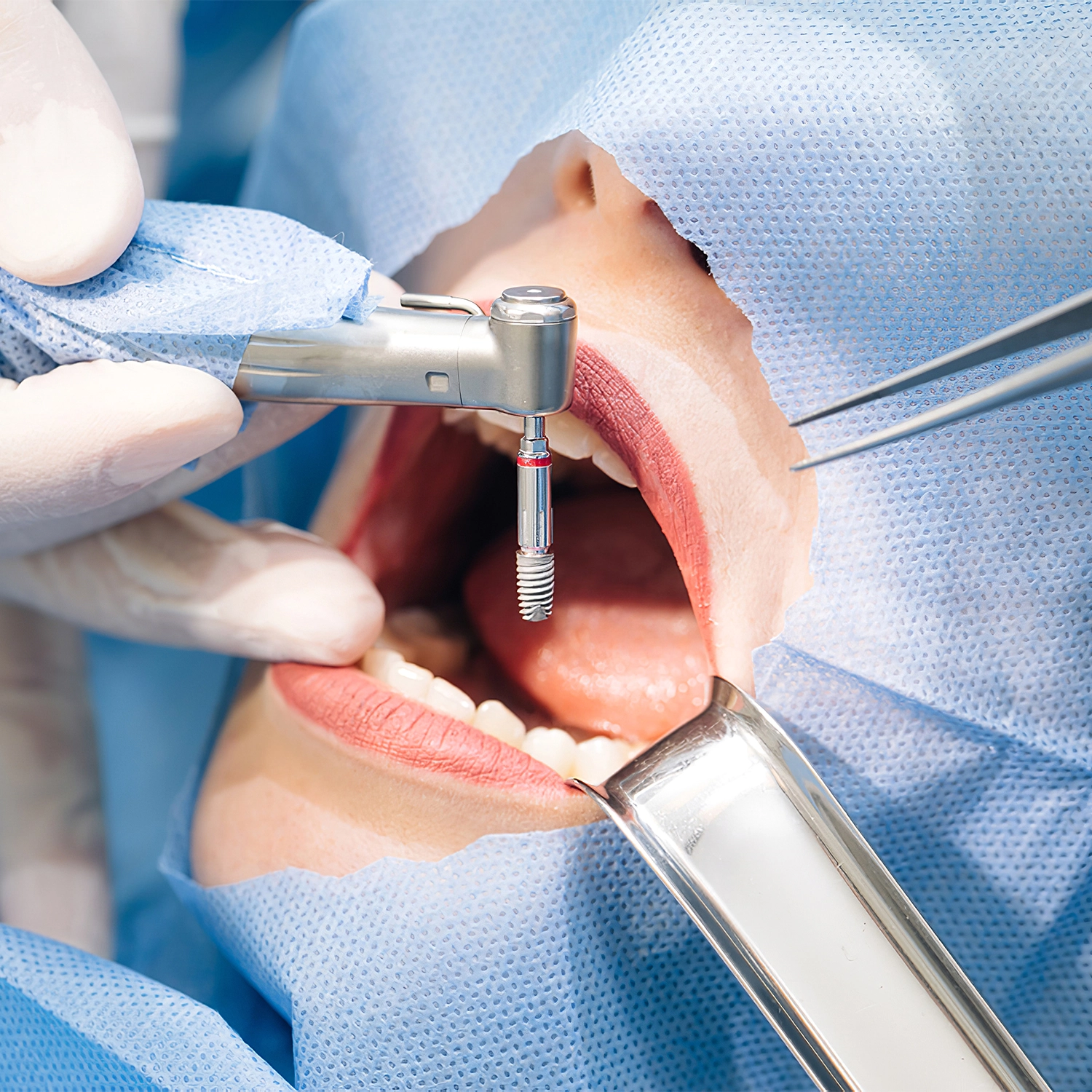
- Implant placement. Four to six implants are placed in one session, usually under sedation. Any hopeless remaining teeth are removed the same day.
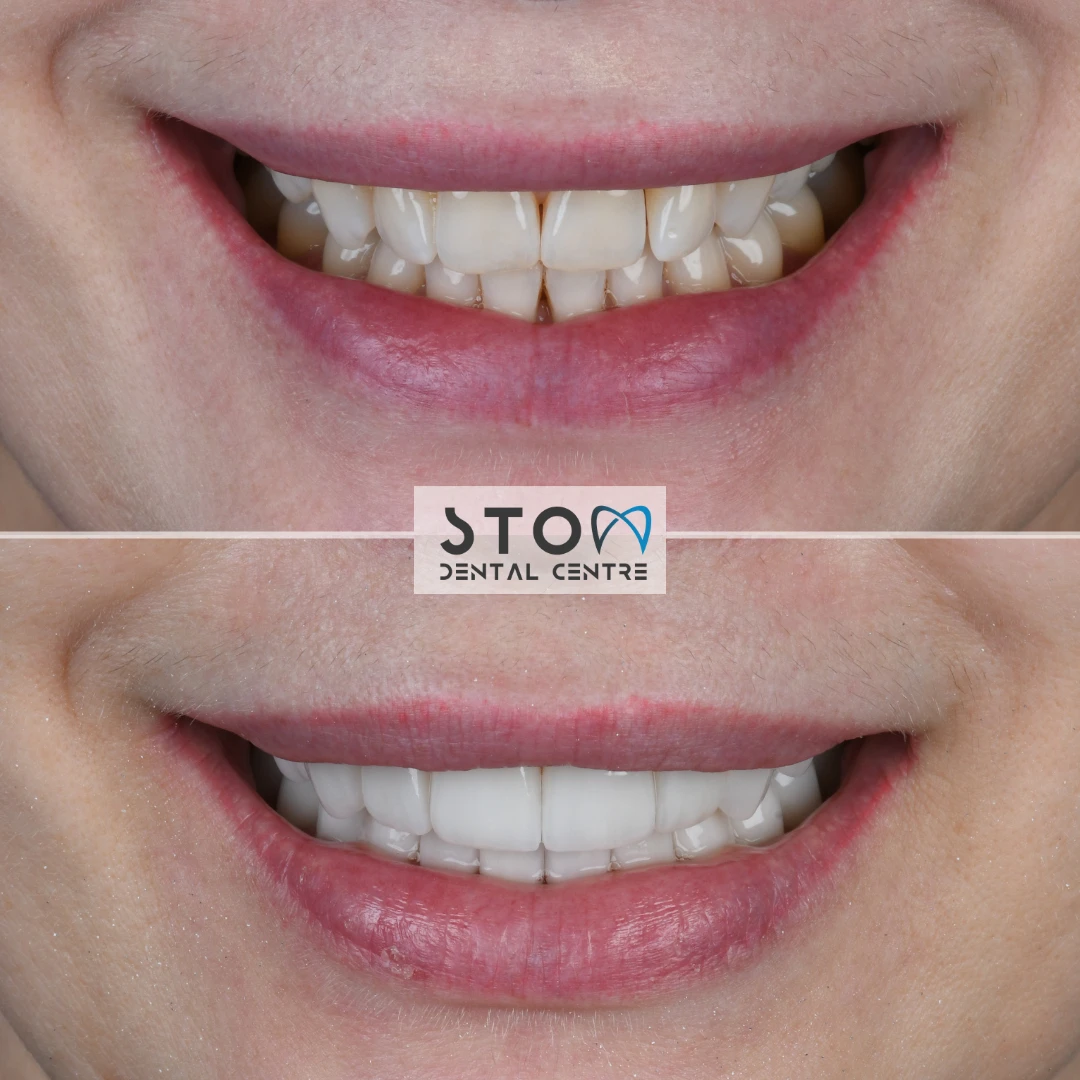
- Fixed temporary bridge in 24–72 hours. A screw-retained acrylic Toronto Bridge is fitted within a few days — you leave with fixed teeth, not a gap or a denture.
- Healing (3–6 months). The implants integrate with the bone while you eat and function on the fixed temporary.
- Final bridge. On a second visit, the permanent bridge (zirconia or a refined acrylic-titanium) is fitted and the bite finely adjusted.

Durability, Cleaning and Maintenance
A well-made Toronto Bridge is a long-term restoration. The implants themselves can last decades; a zirconia bridge commonly lasts 15+ years, and an acrylic bridge’s teeth can be refreshed if they wear. Because the bridge is screw-retained, your dentist can unscrew it for a professional deep-clean — a real advantage over glued-in work.
At home, the key is cleaning under the bridge where it meets the gum: a water flosser and special floss threaders do most of the work, plus normal brushing. Patients who keep up hygiene and attend reviews get the longest life out of their bridge — which is why a clinic that teaches you the cleaning routine matters.
Who Is a Candidate?
A Toronto Bridge suits you if you are missing all or most teeth in a jaw (or your remaining teeth are failing), you want a fixed solution rather than a denture, and you are in reasonable general health. Enough bone is ideal but not essential — angled implants, and if necessary zygomatic implants, allow a fixed bridge even when bone is limited. Active gum infection, uncontrolled diabetes or heavy smoking are managed first, not automatic disqualifications. The only way to know for certain is a CT scan.
Why Have Your Toronto Bridge Done at Stom Dental Centre?
A full-arch Toronto Bridge is not a routine filling — it is complex implant surgery plus precision prosthetics, and the result you live with for years depends entirely on getting both right. This is exactly the kind of treatment where the clinic you choose matters more than anything else:
Full-arch and complex implant cases are routine daily work at Stom — led by Dr. Telman İskender — not an occasional procedure.
Every case is planned on a CT scan in our own implant suite, so implant position and the final bite are designed before surgery.
You are told exactly which implant brand (Straumann, Nobel Biocare, Osstem) and which bridge material is used — and it is stated in your written plan.
A written clinical guarantee on prosthetic work, a full aftercare protocol, and a team that treats international patients in four languages.
The single best advice for any full-arch case: choose the surgeon and the protocol, not the lowest price. Ask how many full-arch cases the clinic does, which materials they use, and whether you get it in writing — at Stom, the answer to all three is straightforward.
Ready for fixed teeth again? Send a photo or your X-ray on WhatsApp for a free, no-obligation assessment from Dr. İskender’s team. You will get an honest answer on whether a Toronto Bridge fits your case — and a clear written plan.
Planning dental treatment in Antalya?
Get a free, no-obligation assessment from our clinical team — we reply within 24 hours.
What a Toronto Bridge Costs
In Turkey, a fixed full-arch Toronto Bridge typically costs a fraction of UK, German or US prices for the same implants and the same bridge materials — for many patients the saving is well over half, even after flights and a hotel. The exact figure depends on how many implants are needed, whether one or both jaws are treated, and whether you choose the acrylic-titanium or the zirconia bridge.
Because every mouth is different, there is no honest one-size-fits-all price. After your CT scan is reviewed you receive a fixed written quote for your specific case — so you know the full cost before committing to anything.
Frequently Asked Questions
What is a Toronto Bridge?
A Toronto Bridge is a fixed, screw-retained full-arch dental prosthesis — a complete row of teeth carried by 4–6 implants in one jaw. It is also called a hybrid prosthesis or fixed-detachable bridge (in Turkish, Toronto protez). It stays in permanently; only your dentist removes it.
What is the difference between a Toronto Bridge and All-on-4?
They are two parts of the same treatment. All-on-4 (or All-on-6) describes how the implants are placed; the Toronto Bridge is the fixed set of teeth that is screwed onto those implants. A typical plan is “All-on-4 with a Toronto Bridge”.
Is a Toronto Bridge removable?
No — it is fixed and you never take it out. It is “fixed-detachable”, meaning only your dentist can unscrew it for a professional clean or check. For you, it functions exactly like your own teeth.
Toronto Bridge or removable denture — which is better?
A Toronto Bridge is fixed, far stronger for chewing, feels like natural teeth and preserves the jawbone, whereas a conventional denture is removable, weaker and lets bone shrink over time. Most patients who can have a fixed bridge choose it. A denture remains the lower-cost option.
Which material is best — acrylic-titanium or zirconia?
Acrylic on a titanium bar is lighter, shock-absorbing and easy to repair; monolithic zirconia is the strongest, most lifelike and most stain-resistant. Many patients use the acrylic bridge as a fixed temporary and upgrade to zirconia for the final bridge. Both are excellent — the right choice depends on your bite, budget and aesthetics.
How long does a Toronto Bridge last?
The implants can last decades; a zirconia bridge commonly lasts 15 years or more, and an acrylic bridge’s teeth can be refreshed if they wear. Long-term success depends mostly on good cleaning under the bridge and regular check-ups.
How do you clean under a Toronto Bridge?
With a water flosser and floss threaders to clean where the bridge meets the gum, plus normal brushing. Because it is screw-retained, your dentist can also unscrew it periodically for a thorough professional clean.
Can I get a Toronto Bridge if I have bone loss?
Often yes. Angled implants, and if necessary zygomatic implants, allow a fixed full-arch bridge even when bone is limited — frequently without bone grafting. A CT scan determines what is possible in your case.
How much does a Toronto Bridge cost in Turkey?
In Turkey it typically costs a fraction of UK, German or US prices for the same implants and bridge materials. The exact figure depends on the number of implants, one or both jaws, and the bridge material, and is given as a fixed written quote after a CT scan.
Related guides
- All-on-4 dental implants in Antalya — fixed teeth in 72 hours
- Zygomatic implants — fixed teeth when there is “not enough bone”
- Dental implants in Turkey — the complete 2026 guide
Ready for an honest answer? Stom Dental Centre, Muratpaşa/Antalya — led by Dr. Telman İskender, treating international patients in English, German, Russian and Turkish. Free CT review, written quote within 24 hours, written guarantee on prosthetic work.